About Brandfluence
Clients work directly with the people responsible for the thinking and the delivery. That is a deliberate choice.

David & Jodie Hockaday — Co-Founders
How it began
Amazon became the foundation. But not the ceiling.
David’s early Amazon career taught him something conventional sales careers often miss: success on Amazon rewards understanding how the system works rather than how loudly you can shout. Catalogue, content, advertising, promotions, commercial terms and fulfilment all interact. The businesses that understand all of it tend to do better than those optimising one piece in isolation.
By 2018 that experience pointed toward a clear idea: rather than one company employing a senior Amazon specialist full-time, several brands could access that expertise for the parts they genuinely needed. Direct access. No layers.
Brandfluence was more than a rebrand.
As consumer brands faced increasingly crowded and expensive routes to market, Amazon alone became too narrow a frame. The move to Brandfluence represented a broader way of thinking about commerce: brand, influence and commerce together rather than as separate disciplines.
Jodie created the Brandfluence name and developed the original brand identity. The name captures something the earlier business could not: room to think beyond a single marketplace. The business evolved to include influencer marketing, social commerce, TikTok Shop, Amazon MCF, eBay and retailer marketplaces. Connected, not siloed.
More sales isn’t always the same as a better business.
Growth is only valuable if the economics work.
We think about the whole commercial picture:
Revenue, margin and what remains after all channel costs
Advertising efficiency against real commercial targets, not platform metrics
Whether a new channel creates genuinely incremental sales or simply redistributes existing demand
Promotional economics, creator economics and operational costs
How the channels interact rather than treating each one as an isolated success story
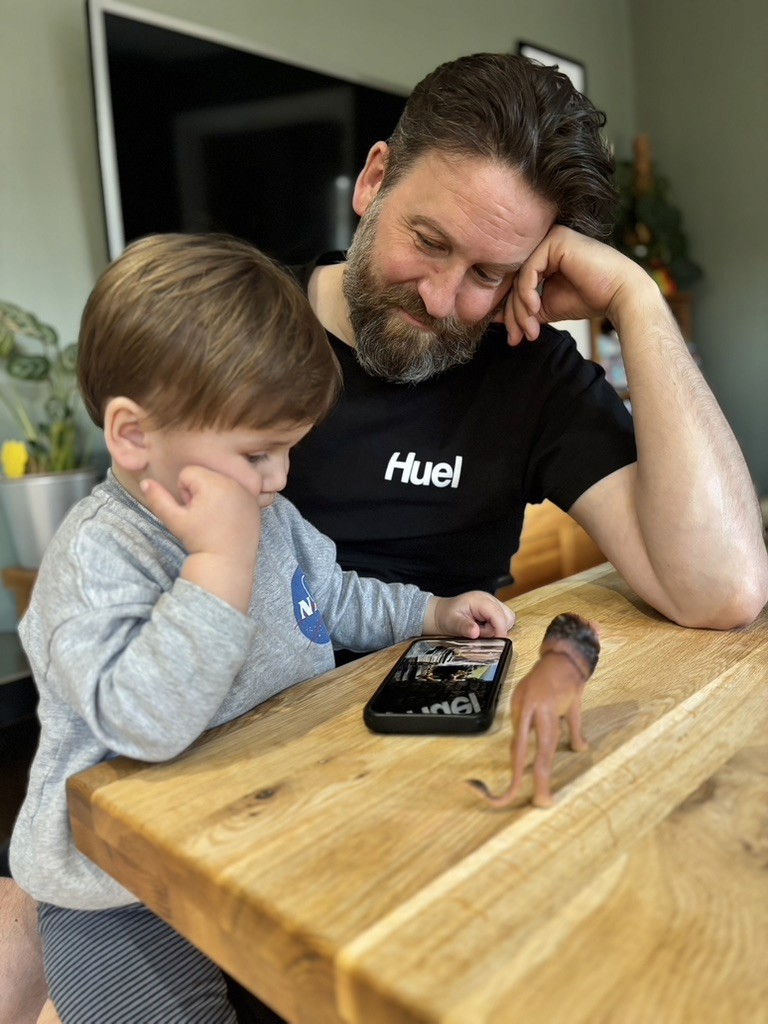
David Hockaday — Co-Founder
Commercial strategy, ecommerce and Amazon.
David has worked in Amazon ecommerce since 2012, across both Seller Central and Vendor Central environments. His career has taken him from emerging consumer brands through to major international organisations, and his Amazon experience extends well beyond advertising and PPC into commercial economics, profitability modelling, Vendor terms, catalogue strategy and the full commercial mechanics of how Amazon actually works.
In 2015, David was invited by Amazon to take part in early beta testing of Amazon Marketing Services, years before the advertising ecosystem developed into what brands use today. It is a small detail, but an honest indication of how far back the Amazon involvement goes.
His background started in engineering before progressing through sales, audiovisual distribution and ecommerce. That engineering instinct — looking at how components affect one another — shapes how he approaches commercial problems today.
At Brandfluence, David leads on commercial strategy, Amazon, ecommerce and connected-commerce thinking.
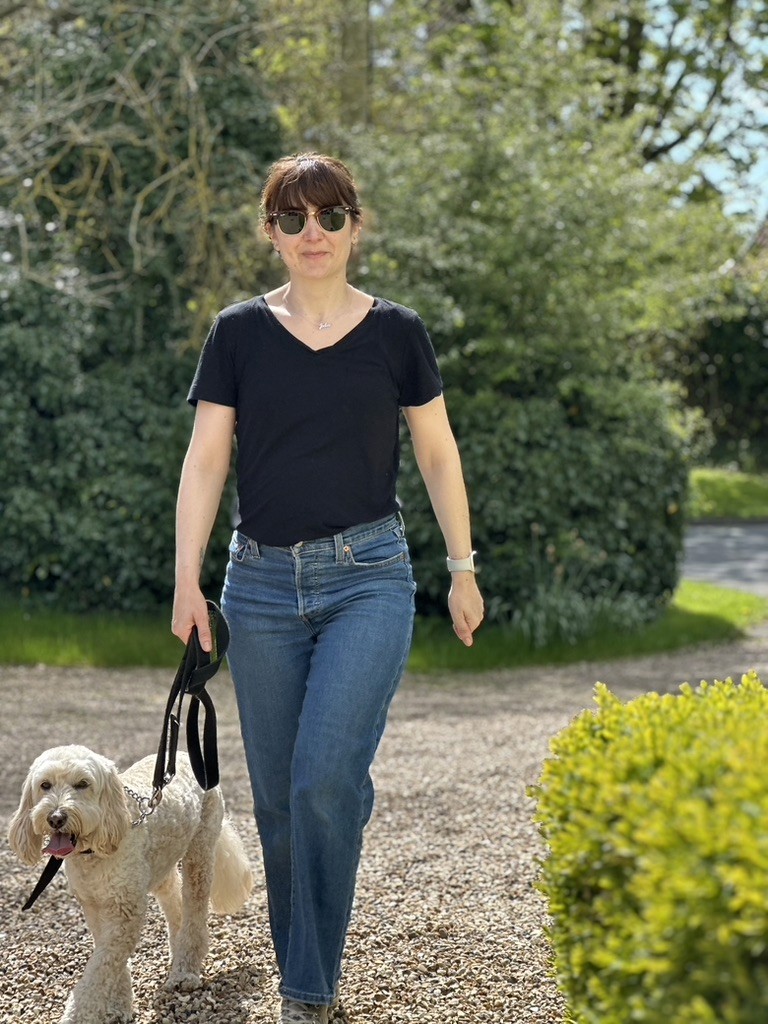
Jodie Hockaday — Co-Founder
Influencer operations, creator management and delivery.




The people you meet are the people doing the work.
Brandfluence is deliberately independent. There is no senior pitch team followed by layers of junior account management. Clients deal directly with the people responsible for the commercial thinking and the actual delivery.
Direct access to senior thinking on every engagement
Continuity of relationship, from brief through delivery
Clear accountability and a close understanding of the client’s business
Fewer handoffs and less noise between thinking and execution
How we work
Good work depends on good relationships.
This applies to clients and creators equally. Influencer marketing requires managing people, not simply deploying a platform. Creator relationships are human relationships, and how you work with people matters to the outcome.
The same principle applies to how we work with clients. Clear communication, straightforward advice, realistic expectations and a focus on what is actually useful rather than what sounds impressive.
Connected commerce
Influence creates demand. Commerce captures it. Infrastructure makes it work.
Brandfluence’s services are not a random collection of capabilities. Influencer activity generates content, recommendation and demand. Amazon, TikTok Shop, eBay and retailer marketplaces provide routes to purchase. Amazon MCF and operational planning make the fulfilment side work. Understanding how these pieces interact is increasingly what distinguishes effective from ineffective ecommerce.
Influence creates content, advocacy and demand
Amazon, TikTok Shop, eBay and marketplaces capture demand at scale
MCF and operational planning make fulfilment work across channels
Commercial discipline keeps it economically worthwhile
Tell us what you’re trying to achieve.
You don’t need to know which Brandfluence service you need. Start with the commercial problem and we’ll work from there.